
South Carolina Public Records
South Carolina public records cover a wide range of government documents held by state agencies, county offices, and local courts across the state. Whether you need court filings, property deeds, criminal history reports, or government meeting minutes, many of these records can be searched and obtained online or in person. This guide walks through the main sources for public records in South Carolina, how to request them, and what to expect during the process.
South Carolina Public Records Quick Facts
What Are South Carolina Public Records
South Carolina defines public records broadly. Under the state's Freedom of Information Act, a public record includes all books, papers, maps, photographs, cards, tapes, recordings, or other documentary materials regardless of physical form or characteristics. The key requirement is that the document was prepared, owned, used, in the possession of, or retained by a public body. That definition covers everything from paper files stored in a county courthouse to electronic data held on a government server.
The South Carolina FOIA was first enacted in 1978 as Act No. 593. It has been amended several times since, with the most significant changes coming in 1987 to add electronic records and again in 2017 to establish an explicit right to electronic transmission. The full statute is available at the South Carolina State House Code of Laws, Title 30, Chapter 4. State agencies, counties, cities, school districts, and other entities that receive public funds must comply.
Section 30-4-50 of the FOIA lists records that are specifically and always public. These include the names, sex, race, title, and dates of employment of all public employees. Also public are final opinions and orders in adjudicated cases, policy statements, meeting minutes, crime reports with exempt data redacted, and full records of public fund receipts and expenditures. Law enforcement vehicle recordings involving death, injury, or use of force are also designated as public records.
Not every government document is open to inspection. Section 30-4-40 lists 19 categories of exempt records. Trade secrets, personal privacy information, law enforcement records that could interfere with active investigations, attorney-client communications, and certain economic development materials before public announcement are all exempt. Home addresses of public employees were added to the protected list as well. Knowing the distinction between what is public and what is exempt helps you frame requests more effectively.
South Carolina Court Records
The South Carolina Judicial Branch provides free online access to trial court records through a system called the Public Index. All 46 counties are included. You can search by case number, party name, case type, court agency, or date range. The system covers Circuit Court (both General Sessions for criminal cases and Common Pleas for civil matters), Family Court, Magistrate Court, and many Municipal Courts. Visit the SC Judicial Branch case records search portal to start a search by county.
Results in the Public Index show case numbers, hearing dates, associated parties, and current case status. Some documents are available as PDF downloads directly from the system. Keep in mind that as of January 1, 2026, home address information is no longer displayed in the Public Index for both new and existing cases. Business addresses and P.O. boxes may still appear. If you need a certified copy of a court record, contact the Clerk of Court in the county where the case was filed. Clerks can provide certified copies for an additional fee.
Sealed cases, confidential family court matters, juvenile records, and adoption records are not available through the public portal. Those require a court order to access. Most counties have digitized records back to the early 1990s or 2000s. Older records may require an in-person visit to the courthouse or a trip to the State Archives in Columbia.
Appellate court records are handled separately. The South Carolina Supreme Court and Court of Appeals use the C-Track Appellate Court Public Index for case tracking. That system covers cases filed or pending on or after May 1, 2012. You can search by case number, party name, attorney name, or lower court case number. Published opinions and procedural orders are available as PDF documents.
The SC appellate courts portal offers real-time tracking of briefing schedules, oral argument dates, and panel composition. This is the authoritative source for South Carolina case law and appellate dispositions. The image below is from the appellate portal.
The South Carolina Judicial Branch maintains public access to appellate case records through C-Track, as shown here.
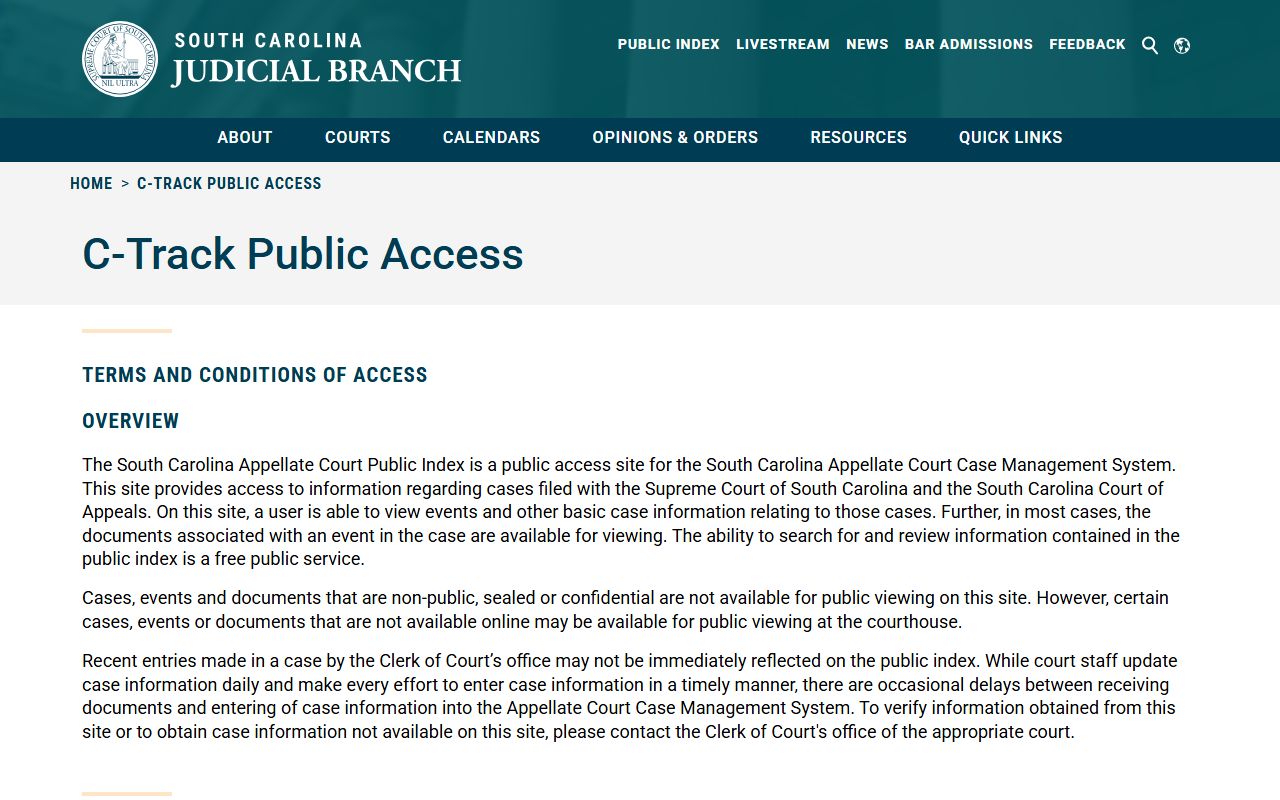
Searching the C-Track portal gives you access to briefs, orders, and opinions for cases before the Supreme Court and Court of Appeals.
Criminal Records and Background Checks in South Carolina
The primary system for criminal background checks in South Carolina is CATCH, which stands for Citizens Access to Criminal Histories. It is maintained by the South Carolina Law Enforcement Division (SLED) at catch.sled.sc.gov. The system runs a name-based search against SLED's statewide criminal history database. Results reflect arrests and dispositions that have been submitted to SLED by law enforcement agencies and correctional facilities under Section 23-3-120 of the South Carolina Code.
Each CATCH check costs $25 with an additional $1 online convenience fee. Major credit and debit cards are accepted. Qualifying charitable organizations under state statute pay a reduced fee of $8 per check. School districts can obtain checks for prospective teachers at no charge. To run a check, you need the subject's last name, first name, and date of birth. The Social Security Number field is optional but increases accuracy. Name-based searches have limits. If the subject used an alias or if booking information was entered with a variation, the search may not return a match. In those cases, fingerprint-based identification may be necessary.
Mail-in requests are accepted at SLED Records Department, PO Box 21398, Columbia SC 29221-1398. Cash and personal checks are not accepted by mail. Send a business check, certified check, cashier's check, or money order along with a self-addressed stamped envelope. Mail-in processing takes 5 to 10 business days. If results need to be notarized or certified, note that requirement specifically in your request.
Note: SLED CATCH does not include the sex offender registry. That is a separate search.
SLED also operates the statewide sex offender registry. Search it by name, address, city, county, or zip code at the South Carolina Sex Offender Registry. Offender profiles include photographs, physical descriptions, current addresses, offense details, and risk level classification. Email alert signups are available so you can receive notifications when a registered offender moves near a specified address.
SLED's CATCH criminal background check system is shown below, accessible through the official portal.
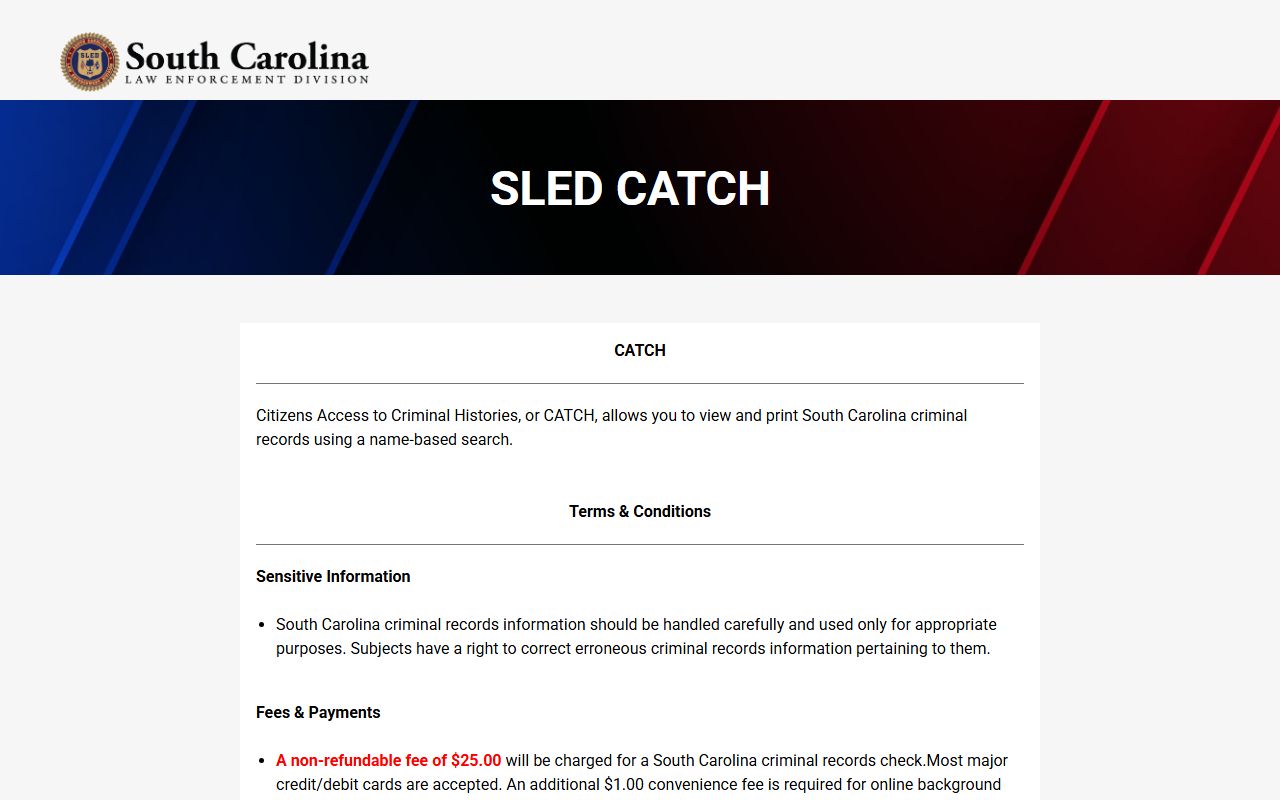
The CATCH system is the official way to run a South Carolina criminal history check by name and date of birth.
SLED's main website provides access to crime statistics, forensic services, and links to all criminal record tools.
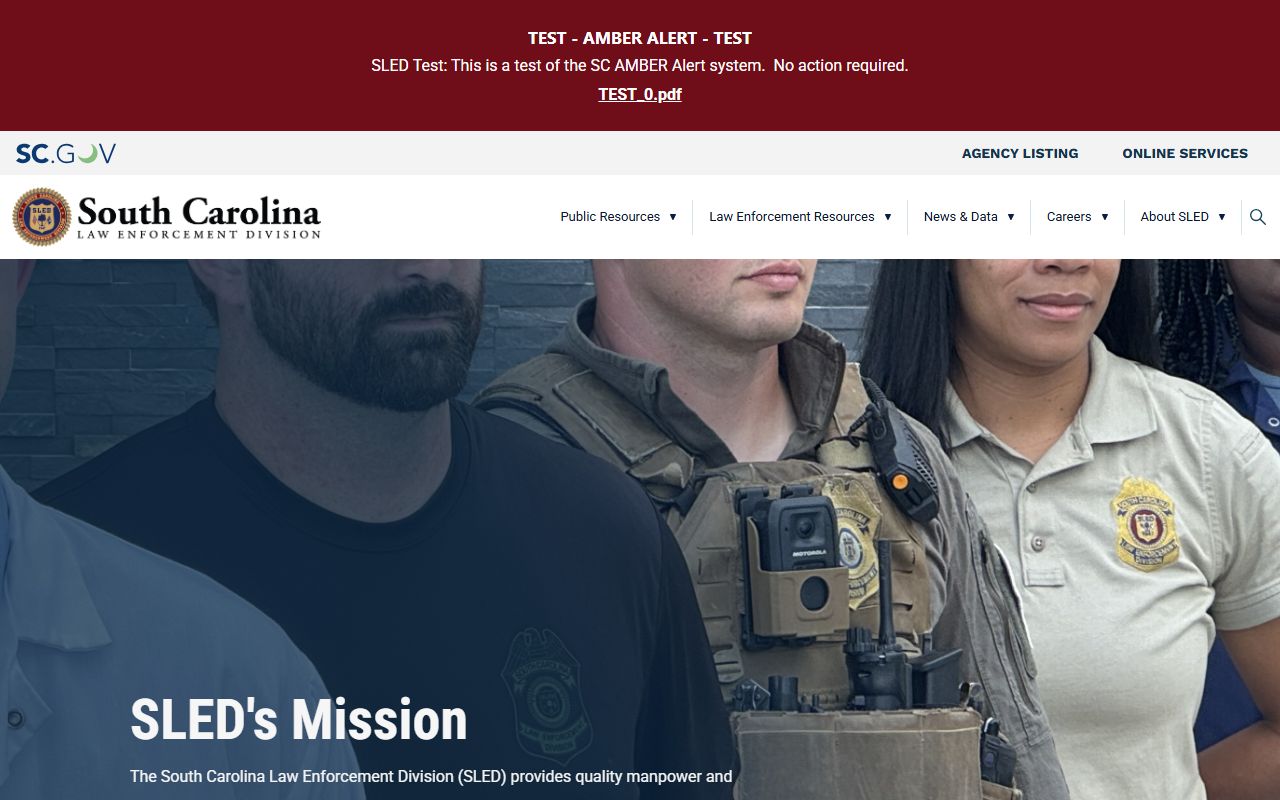
The SLED homepage serves as a central hub for background checks, the sex offender registry, Uniform Crime Reports, and more.
South Carolina Property Records
Property records in South Carolina are maintained by the Register of Deeds in each county. In smaller counties with populations under 50,000, the Clerk of Court often performs Register of Deeds duties as well. These offices record deeds, mortgages, liens, easements, plats, powers of attorney, UCC filings, federal and state tax liens, and mechanic's liens. Once recorded, all of these documents are public records that anyone can inspect or copy.
Many counties participate in the SC Land Records system at sclandrecords.com, which offers free index searching with paid subscriptions for document images. Individual counties such as Richland, Aiken, and others also provide dedicated online property search tools through their own portals or third-party platforms like qPublic. Property owners in many counties can sign up for free recording fraud alerts that send an email notification whenever a document is filed under their name.
For historical property research, the South Carolina Department of Archives and History holds microfilm copies of many county deed and plat records. These are particularly useful for records predating the digital era. Original documents stay with the county Register of Deeds offices, but the Archives copy allows centralized research in Columbia.
South Carolina Business Records
The South Carolina Secretary of State handles business entity filings for the state. You can search the public database at businessfilings.sc.gov using three modes: Begins With, Contains, or Exact Match. Search results display the entity name, entity ID number, entity type (LLC, corporation, partnership, etc.), date of formation, whether the entity is domestic or foreign, current status, and registered agent information.
Clicking through to a specific entity shows the full filing history including Articles of Incorporation, Annual Reports, and any amendments on file. Status designations matter. An entity marked "Active" or "Good Standing" has filed required annual reports. One marked "Forfeited" has failed to file and lost good standing but may be reinstated by filing past due reports and paying penalties. One marked "Dissolved" has been terminated entirely.
The search portal is available 24/7 with no account required for basic lookups. Note that officer and director information is not maintained by the Secretary of State. For ownership details, contact the SC Department of Revenue at (803) 898-5000. Sole proprietorships are also not in the database since they do not register with the Secretary of State.
Vital Records and Other State Records
The South Carolina Department of Corrections operates a public inmate search at doc.sc.gov. You can look up current inmates, recent releases, and escaped inmates by name or SCDC number. Inmate profiles include the facility name, admission date, sentence length, projected release date, offense information, and a mugshot. The department also publishes visitation schedules, victim notification procedures, and annual statistical reports on inmate population and programs.
Election records and voter registration data are maintained by the South Carolina State Election Commission at scvotes.gov. Registered voters can verify their registration status, find polling places, view sample ballots, and track absentee ballot status online. Historical election results dating back multiple cycles are archived and available, including vote totals by candidate and county-level breakdowns.
For government transparency records, the South Carolina State Ethics Commission at ethics.sc.gov maintains public databases of campaign finance filings, Statements of Economic Interests (SEI) for candidates and public officials, and lobbyist registration and expenditure reports. These filings are all public records searchable by candidate, committee, or lobbyist name.
The South Carolina Department of Archives and History at scdah.sc.gov serves as the official repository for the state's permanent historical records. The research room is at 8301 Parklane Road in Columbia. Digital collections include Confederate pension applications, land grants, plats, will transcripts, and historic photographs. Many finding aids are searchable online before a visit. The Archives also administers the state records management program and sets retention schedules for all state and local government agencies.
The SC Department of Public Safety is the source for Highway Patrol accident reports.

SCDPS handles traffic accident reports, which can be requested online or by mail through the department's official portal.
The SC Department of Corrections provides public inmate search and records access through its official website.
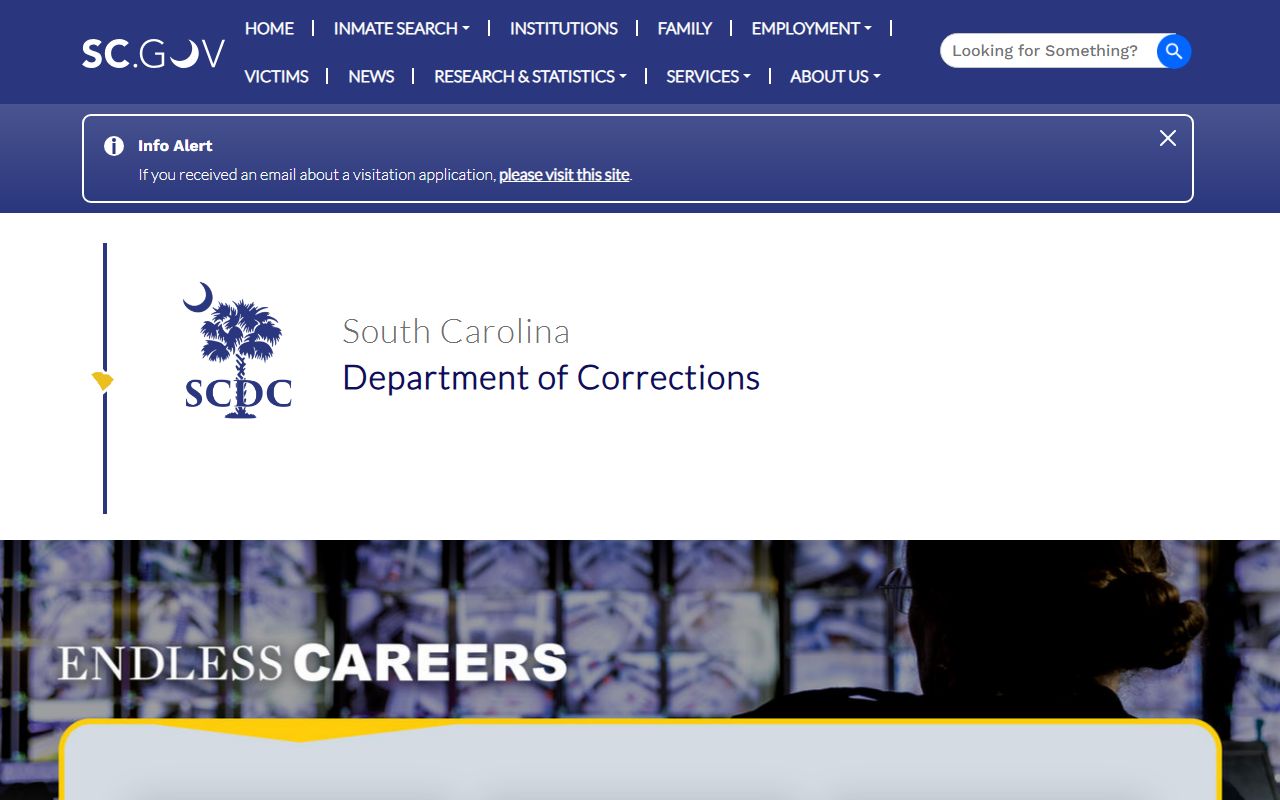
SCDC's inmate search lets you look up individuals by name or SCDC number and see current facility, sentence details, and more.
The State Election Commission provides voter registration data and election results as part of its public records offerings.
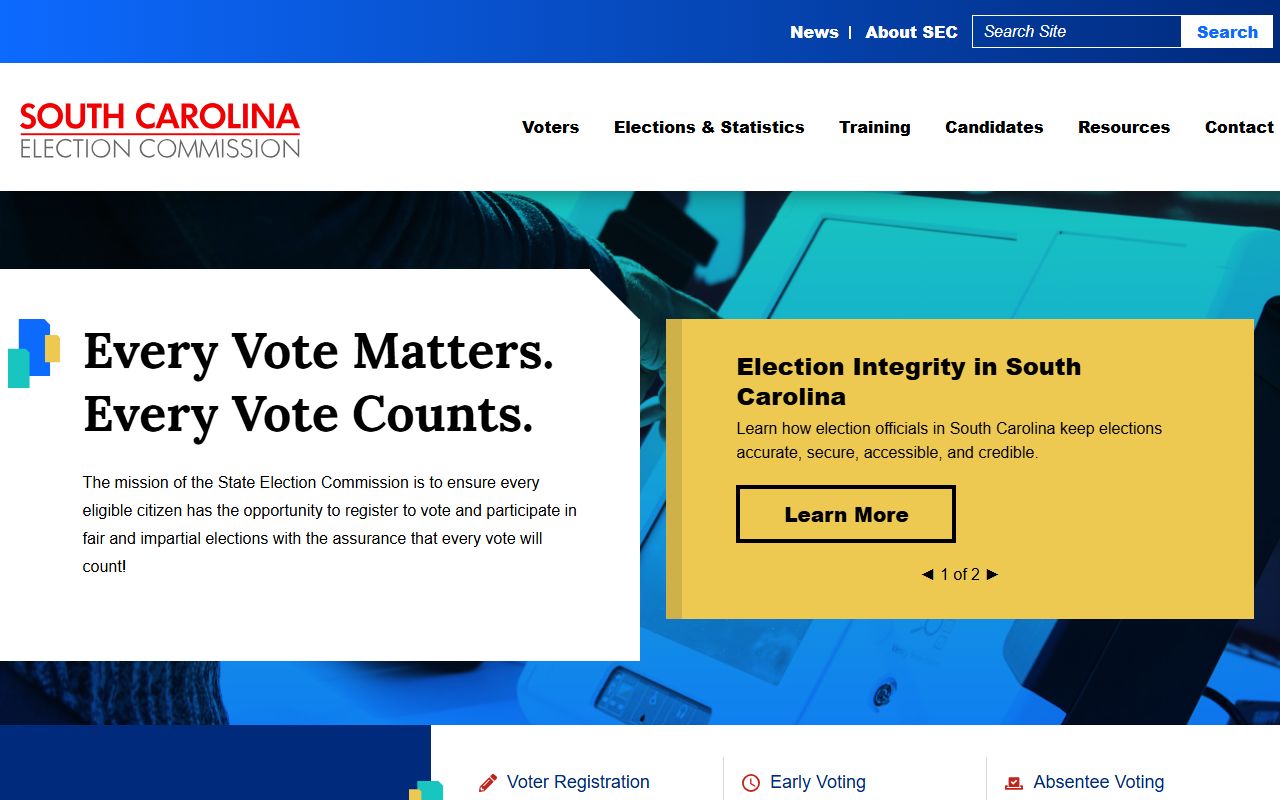
SCVotes.gov lets residents check registration status, track absentee ballots, and access historical election results statewide.
How to Request South Carolina Public Records
Most formal public records requests in South Carolina are submitted in writing to the agency holding the records. While the FOIA does not require a written request in all cases, submitting one in writing creates a record, starts the response clock, and gives the agency clarity about what you are seeking. Include as much identifying information as you can: record type, date range, subject name, case number if known, and the department or office most likely to hold the records.
Once the agency receives your request, it has 10 business days to notify you of its determination for records less than 24 months old. If the records are older than 24 months, the agency has 20 business days to respond. After the determination is made, production of the records must happen within 30 calendar days for newer records and 35 calendar days for older ones. If the agency does not respond within the required window, the request is considered approved for all non-exempt records under the presumption of approval provision.
Fees for search, retrieval, and redaction cannot exceed the prorated hourly salary of the lowest-paid employee capable of doing the work. Copy fees cannot exceed prevailing commercial rates, generally around $0.25 per page for paper. There is no charge for records transmitted electronically. Before searching for or copying records with an estimated cost, the agency may ask for a deposit of up to 25% of the anticipated total.
The following are the main steps most requesters follow when seeking records:
- Identify the agency or office that holds the records you need
- Submit a written request describing the specific records with dates or identifying details
- Wait for the agency's determination within the statutory window
- Pay any required deposit before the agency begins its search
- Receive the records within the production deadline or request an update
- Challenge a denial in circuit court within one year of the alleged violation
If an agency denies your request, you can seek declaratory judgment or injunctive relief in circuit court. The court must hold an initial hearing within 10 days of the filing and conclude the action within six months. If you prevail, the court may award attorney's fees and other costs. If the court finds the agency acted arbitrarily and capriciously, it can impose a civil fine of $500 on top of any other relief.
South Carolina Public Records Laws
The South Carolina Freedom of Information Act is codified at Title 30, Chapter 4 of the SC Code of Laws. It was passed in 1978 and has been updated multiple times. The 2024 amendments are the most recent. The full statute at scstatehouse.gov covers every aspect of the law: definitions, procedures, timelines, fee limits, exemptions, and enforcement. Anyone researching public records access in South Carolina should read the Act directly rather than rely on summaries alone.
A separate law, the Family and Personal Identifying Information Privacy Protection Act, is codified at Title 30, Chapter 2. This law restricts what sensitive personal information can appear in public records. Specifically, it protects Social Security numbers, driver's license numbers, state ID card numbers, passport numbers, and financial account numbers. Government bodies must redact these fields before releasing records. Using protected information obtained from public records for commercial solicitation is a misdemeanor under S.C. Code Ann. Section 30-2-50, punishable by up to a $500 fine and one year in jail.
The criminal records fee structure is set by statute at Title 23, Chapter 3, which authorizes SLED to charge $25 per check with reduced fees for qualified charities. That same chapter, at Section 23-3-120, requires law enforcement and correctional agencies to submit fingerprint records to SLED after arrests, establishing SLED as the central repository for all criminal history information in the state.
The two key images below show the FOIA statute and Privacy Protection Act as published by the South Carolina State House.
The FOIA statute at the SC State House website is the governing authority for all public records requests in South Carolina.
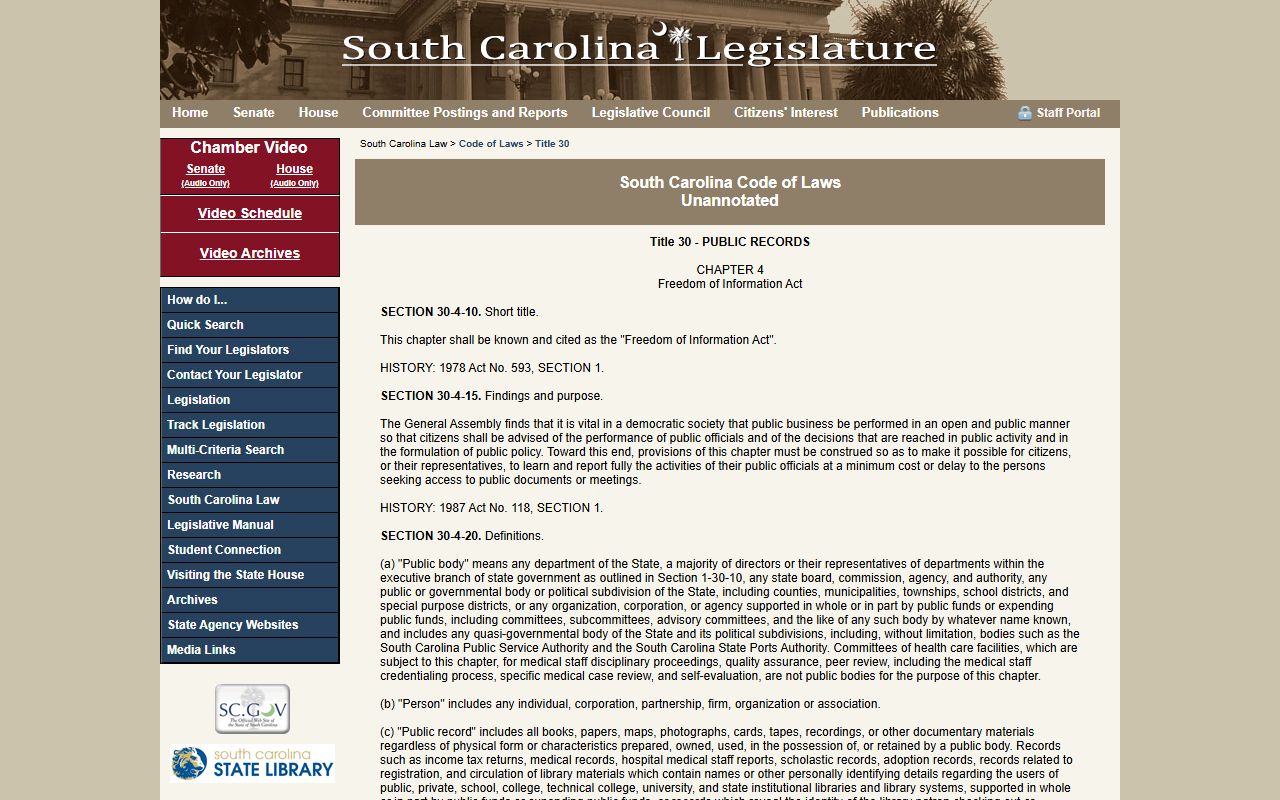
Title 30, Chapter 4 sets response timelines, fee caps, exemptions, and enforcement mechanisms for all public records requests in the state.
The Privacy Protection Act limits what personal identifying data can appear in public records or be used once obtained.
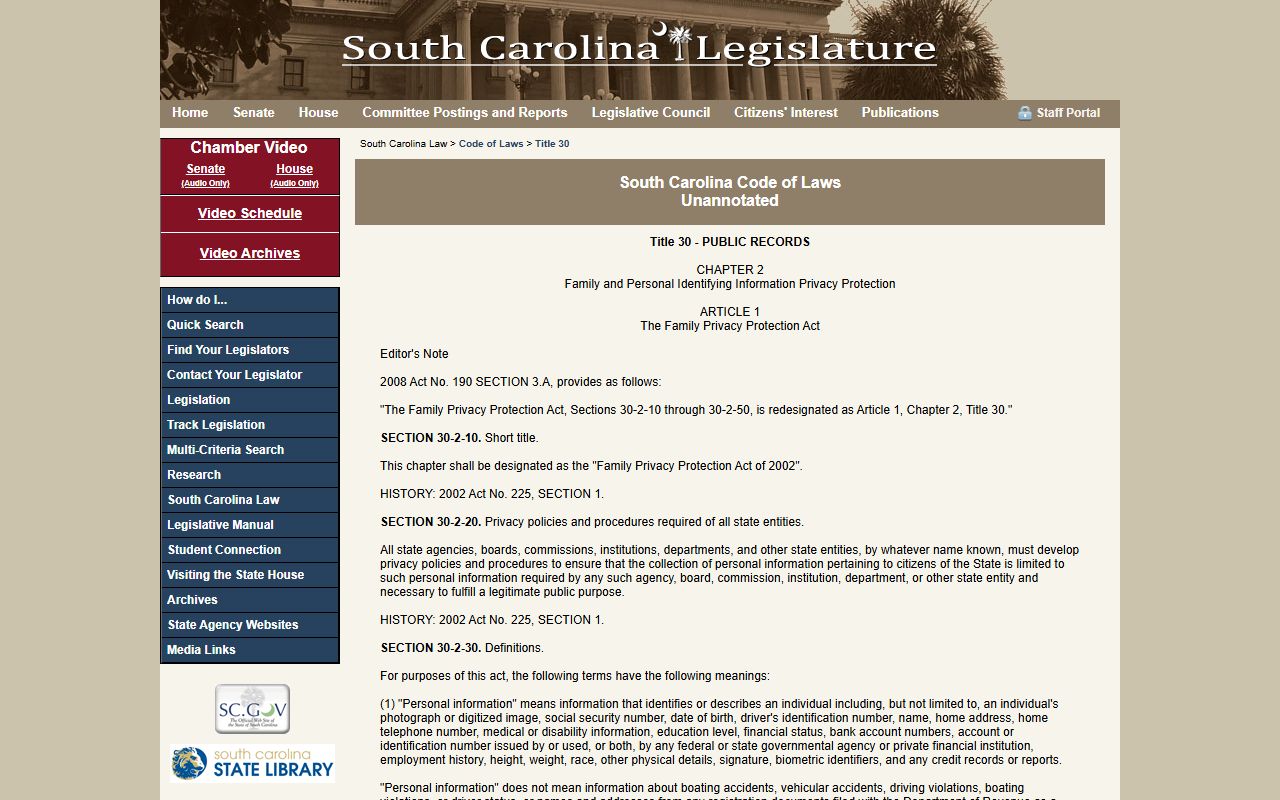
Under Title 30, Chapter 2, government agencies must redact Social Security numbers, financial account numbers, and similar identifiers before releasing records to the public.
Browse Public Records by County
Select a county below to find public records offices, court records, property filings, and more specific to that county.
Browse Public Records by City
Looking for records tied to a specific city? Browse South Carolina's major cities below.